John Chapter 10: The Good Shepherd and the Sheep Who Hear His Voice


John Chapter 10 flows naturally out of John Ch9.
In John 9, Jesus gave sight to a man born blind, but the religious leaders cast him out. They were supposed to shepherd Israel, but they rejected the man Christ healed. Now, in John 10, Jesus speaks about false shepherds, thieves, hired hands, and the true Shepherd who gives life to His sheep.
The contrast is sharp.
The religious leaders used power to exclude and condemn.
Jesus comes as the Shepherd who knows, calls, protects, and lays down His life.
The Door of the Sheep
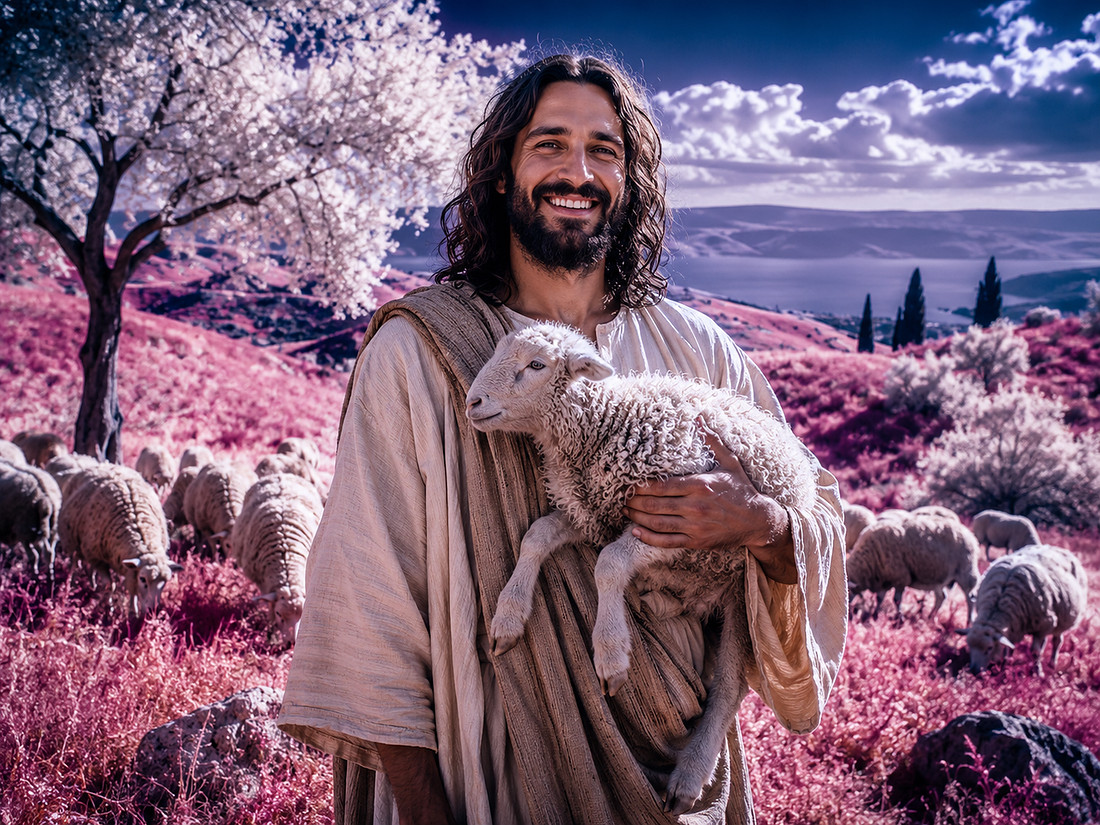
Jesus begins with the image of sheep, a sheepfold, a door, and a shepherd.
The true shepherd enters by the door. The sheep hear his voice. He calls his own sheep by name and leads them out. They follow because they know his voice.
This is a beautiful picture of Christ’s relationship with His people.
Christian faith is not merely recognizing religious information. It is being called by the Shepherd and hearing His voice.
Jesus then says, “I am the door of the sheep.”
That means He is the only true entrance into safety, life, and salvation. Others may claim authority, but Christ alone brings His sheep into life with God.
He says the thief comes only to steal, kill, and destroy, but He came that they may have life and have it abundantly.
That abundant life is not merely earthly comfort or health. It is life in Christ. It is forgiveness, fellowship with God, spiritual safety, eternal life, and the joy of belonging to the Shepherd.
This connects with John Ch6, where Jesus says He is the bread of life. In John 6, He gives Himself as bread. In John 10, He gives Himself as Shepherd.
Either way, the life is in Him.
I Am the Good Shepherd
Jesus then says, “I am the good shepherd.”
The good shepherd lays down his life for the sheep.
That is the center of the chapter.
Jesus is not merely a caring teacher. He is the Shepherd who dies for His sheep.
The hired hand runs when he sees the wolf coming because the sheep are not his own. But Jesus does not run. The sheep belong to Him, and He gives His life for them.
From a Christian Reformed lens, this is deeply comforting. Jesus does not save vaguely or reluctantly. He knows His sheep. He loves His sheep. He lays down His life for His sheep.
He says, “I know my own and my own know me.”
This is personal, covenantal, saving knowledge.
Not everyone in the crowd receives Him. Not everyone who hears His voice externally belongs to Him. But His sheep hear His voice and follow.
That should humble us. We do not make ourselves sheep by our own power.
But it should also comfort us. Christ knows His own.
Other Sheep
Jesus then says, “I have other sheep that are not of this fold. I must bring them also.”
This likely points to Gentiles who will be brought into the people of God.
The fold at first is Israel, but Jesus’ saving mission will reach beyond Israel. The result will be one flock, one Shepherd.
This does not mean all people are automatically saved. Jesus says He must bring His sheep, and they will listen to His voice.
The nations are included through Christ.
That connects with Matthew Ch10, where the mission begins with Israel, but later Matthew will end with the command to make disciples of all nations. The Shepherd gathers His flock from beyond one ethnic boundary.
There is one Savior.
One flock.
One Shepherd.
Authority to Lay Down His Life
Jesus says no one takes His life from Him. He lays it down of His own accord, and He has authority to take it up again.
That is important.
The cross is not an accident.
Jesus is not a victim of circumstances.
He willingly gives Himself.
This connects with John Ch8, where Jesus speaks with divine authority and says, “Before Abraham was, I am.” In John 10, that authority is directed toward sacrifice. The eternal Son lays down His life and takes it up again.
The Good Shepherd saves by dying.
And He rises by divine authority.
My Sheep Hear My Voice
Later in the chapter, during the Feast of Dedication, the Jews ask Jesus to tell them plainly if He is the Christ.
Jesus answers that He has told them, and they do not believe. His works bear witness about Him, but they do not believe because they are not among His sheep.
Then He says:
“My sheep hear my voice, and I know them, and they follow me.”
This is one of the strongest comfort passages in John.
Jesus gives His sheep eternal life.
They will never perish.
No one will snatch them out of His hand.
The Father, who has given them to Jesus, is greater than all.
No one can snatch them out of the Father’s hand.
This is not a weak salvation.
The sheep are secure because the Shepherd and the Father hold them.
From a Reformed lens, this is the preserving grace of God. The believer’s hope is not that his grip on Christ is strong enough. The hope is that Christ’s grip on His sheep is stronger than every enemy.
That does not make following optional.
Jesus says His sheep hear His voice and follow Him.
But their following rests under His keeping.
I and the Father Are One
Jesus then says, “I and the Father are one.”
The people pick up stones again.
They understand that Jesus is making a divine claim. They accuse Him of blasphemy because He, being a man, makes Himself God.
Jesus answers by referring to Scripture and asking why they accuse Him of blasphemy for saying He is the Son of God, when the Father consecrated and sent Him into the world. He points again to His works: if He is not doing the works of the Father, do not believe Him; but if He is, then they should believe the works and know that the Father is in Him and He is in the Father.
Jesus is not backing away from His claim.
He is exposing their false judgment.
This connects with John Ch5, where Jesus speaks of His unity with the Father and the works that bear witness to Him.
The leaders see the works.
They hear the words.
But they still reject Him.
That is spiritual blindness again.
Many Believed in Him
The chapter ends with Jesus going back across the Jordan to the place where John had been baptizing.
Many come to Him there.
They remember that John did no sign, but everything John said about Jesus was true.
And many believed in Him there.
That is a quiet but beautiful ending.
The religious leaders in Jerusalem resist Him, but others believe.
John the Baptist’s witness continues to bear fruit.
The Shepherd’s sheep hear His voice.
The Message of John Chapter 10
John Chapter 10 shows Jesus as the Door, the Good Shepherd, and the Son who is one with the Father.
He calls His sheep by name.
He leads them.
He gives them abundant life.
He lays down His life for them.
He brings other sheep into one flock.
He gives eternal life.
He holds His sheep so that no one can snatch them from His hand.
From a Christian Reformed lens, this chapter is full of comfort.
The sheep are weak.
Wolves are real.
Thieves and false shepherds are dangerous.
But the Good Shepherd is stronger.
He does not abandon His sheep.
He does not merely point out danger.
He lays down His life.
He takes it up again.
He knows His own.
And those who belong to Him hear His voice, follow Him, and are kept forever in His hand.