Matthew Chapter 21: The King Comes to His Temple


Matthew Chapter 21 brings Jesus into Jerusalem as the promised King. After Matthew Ch20 showed that the Son of Man came to serve and give His life as a ransom for many, Matthew 21 shows that this servant King is also the rightful Lord of His people, His temple, and His kingdom. For more on Christ giving His life as a ransom, see this point further in Matthew Ch20.
The chapter begins with Jesus sending two disciples to bring a donkey and a colt. This fulfills the prophet Zechariah: “Behold, your king is coming to you, humble, and mounted on a donkey.” Jesus is not entering Jerusalem by accident. He is deliberately fulfilling Scripture. He comes as King, but not with worldly pride, military display, or political force. He comes humble.
From a Christian Reformed lens, this matters deeply. Christ’s kingdom is real, but it is not built by the power of man. The King comes in meekness because His throne will be reached through the cross. The crowd cries, “Hosanna to the Son of David!” They recognize the language of salvation, but many do not yet understand the kind of salvation Jesus came to bring.
This connects with Luke Ch19, where Jesus enters Jerusalem as King and weeps over the city because it does not know the things that make for peace. See this point further in Luke Ch19.
Then Jesus enters the temple and drives out those buying and selling. He overturns the tables of the money changers and says that His Father’s house is to be a house of prayer, but they have made it a den of robbers. This is not random anger. It is holy zeal. Christ has authority over worship. He will not treat corruption, greed, and empty religion as harmless.
After this, the blind and the lame come to Him in the temple, and He heals them. That detail is beautiful. Jesus does not cleanse the temple to make it empty and cold. He cleanses it so that mercy, prayer, healing, and true worship may be restored. The children cry out, “Hosanna to the Son of David,” and the religious leaders are angry. But Jesus receives their praise.
The next morning, Jesus curses the fig tree because it has leaves but no fruit. This is a living warning. The fig tree looks alive from a distance, but it is barren. So also Israel’s leaders have outward religion but no true fruit. Leaves without fruit are not enough. Religious activity without repentance and faith is exposed by Christ.
The chief priests and elders then challenge Jesus, asking by what authority He does these things. They want to judge Him, but He exposes them by asking about John the Baptist. Their answer reveals that they fear man more than God. This connects with Luke Ch20, where the leaders also challenge Christ’s authority and are exposed by His wisdom. See this point further in Luke Ch20.
Jesus then tells the parable of the two sons. One son says no but later obeys. The other says yes but does not go. The point is clear. Empty words do not equal true obedience. The tax collectors and prostitutes who repent enter the kingdom before the religious leaders who refuse to believe. Grace does not reward hypocrisy. Grace saves repentant sinners.
Then Jesus tells the parable of the wicked tenants. The owner sends servants, but the tenants beat and kill them. Finally, he sends his son, and they kill him too. Jesus is speaking of Israel’s rejection of the prophets and of Himself. The leaders understand He is speaking about them, but instead of repenting, they want to arrest Him.
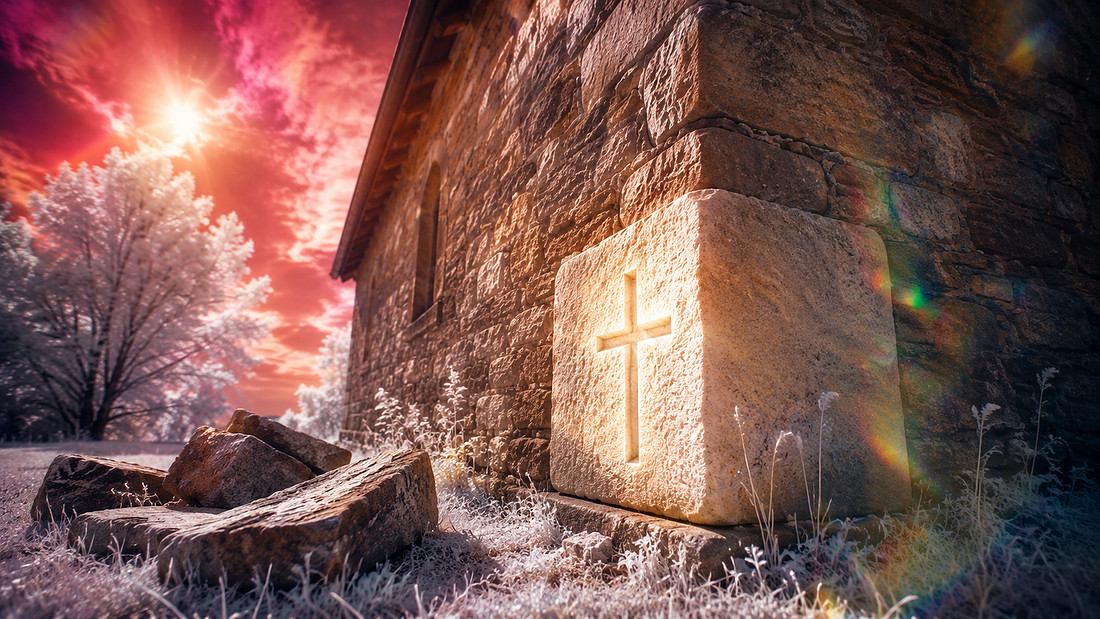
Here we see the heart of Matthew 21. The King has come, but He is rejected. The Son is sent, but He will be killed. Yet even this rejection does not defeat God’s plan. Jesus quotes Scripture: “The stone that the builders rejected has become the cornerstone.” The rejected Christ becomes the foundation of salvation.
This points forward to John Ch19, where the rejected King is crucified and declares, “It is finished.” See this point further in John Ch19.
Matthew Chapter 21 teaches us that Jesus is the humble King, the Lord of the temple, and the rejected cornerstone.
He enters Jerusalem in meekness.
He cleanses corrupt worship.
He receives the praise of children.
He exposes fruitless religion.
He calls sinners to real repentance.
He reveals the guilt of those who reject the Son.
And He becomes the cornerstone of God’s saving work.
The question of Matthew 21 is not whether Jesus has authority.
He does.
The question is whether we will receive the King with true faith, repentance, and fruit.